| Source Type | Description | Typical Use |
| Mountain Rock (Basalt, Andesite, Granite) | Abundant in the Andes mountain chain | Road base, concrete, structural aggregates |
| River Stone (Pebbles and Rounded Rock) | Sourced from rivers such as Maipo, Bío-Bío, Aconcagua | Landscaping, decorative aggregates, concrete blends |
| Quarry Rock (Extracted from fixed quarry sites) | Mined from controlled quarry zones | High-volume construction, asphalt plants, precast concrete plants |
Chile’s gravel production aligns closely with the distribution of major economic zones:
Driven mainly by mining operations. Large-capacity crushing plants supply aggregates for mine construction and road maintenance.
The highest demand due to urban growth, highway development, cement plants, and industrial construction.
More river stone extraction due to glacial and fluvial formations; used widely in civil works and concrete mixing.
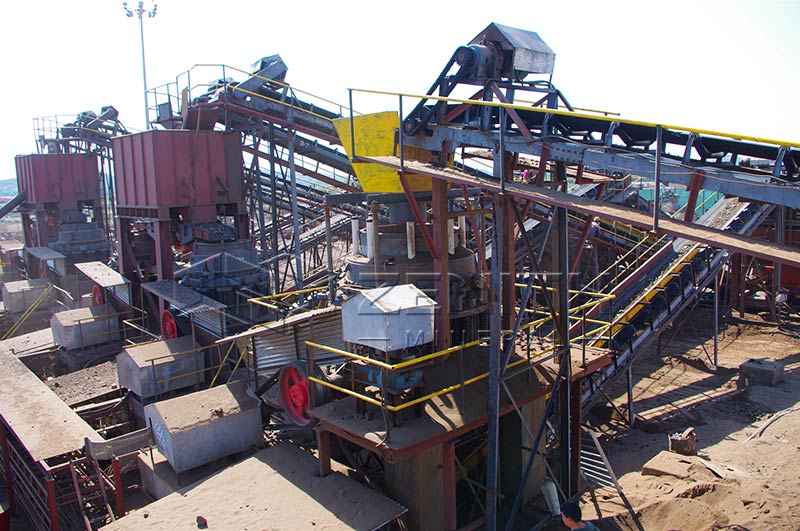
Ideal for primary crush of river stone and hard mountain rock. Known for robust design and wide feed range, making it popular in both small and large installations.
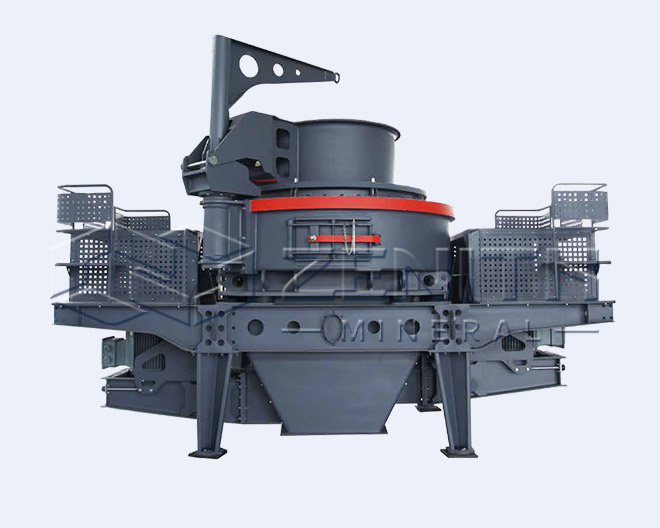
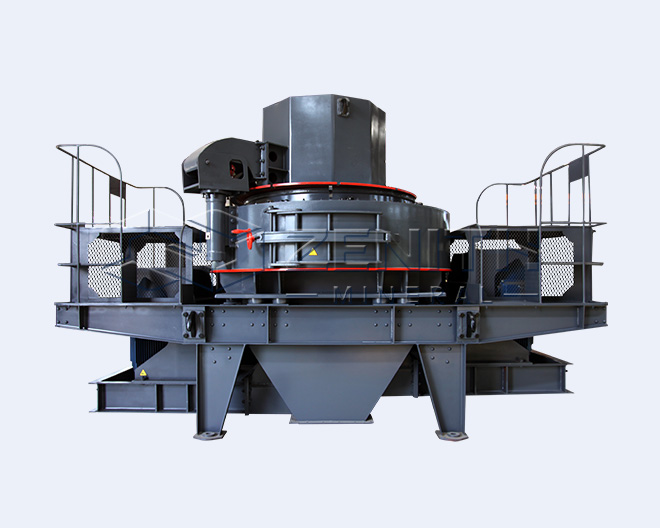
best for secondary and tertiary stages, especially when a precise aggregate size is needed (such as road base or concrete sand). Excels with tough rocks like basalt, offering shape refinement and consistent gradation.
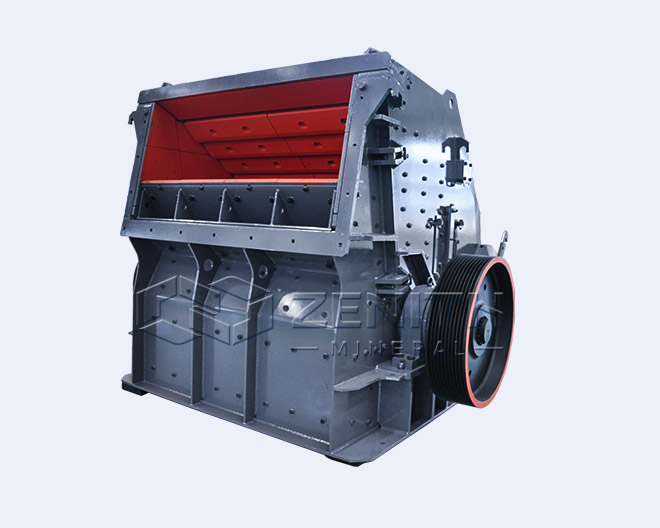
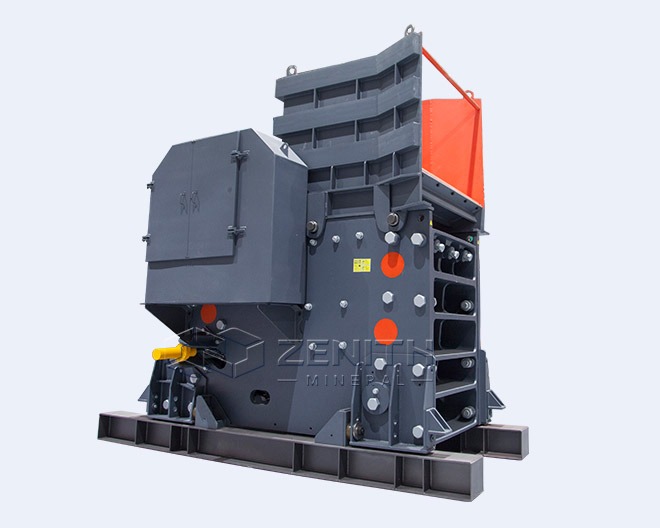
Efficient for softer stones (river stone, some volcanic rocks) and for producing fine or highly-shaped gravel aggregates with minimal dust and lower wear costs.
Combines multiple crushing stages and screening onto one frame, with quick relocation between sites; valuable for projects where the source of material changes or construction zones shift regularly.
Extremely hard and abrasive → Best processed using Jaw + Cone Crusher combinations.
Softer and rounded → Jaw + Impact Crusher or Impact-only lines can reduce costs.
| Equipment | Small Capacity (≤50 tph) | Medium Capacity (50–200 tph) | Large Capacity (200+ tph) |
| Jaw Crusher | $5,000 – $18,000 | $18,000 – $45,000 | $45,000+ |
| Cone Crusher | $20,000 – $55,000 | $55,000 – $120,000 | $120,000+ |
| Impact Crusher | $12,000 – $45,000 | $45,000 – $95,000 | $95,000+ |
| Mobile Crusher (Complete Unit) | $90,000 – $230,000 | $230,000 – $480,000 | $480,000+ |
Ideal For: Local builders, municipal construction, ready-mix concrete suppliers.
Ideal For: Copper mine access roads, port expansion, large concrete batch plants, and industrial infrastructure projects.
Esta planta trituradora móvil ha sido estable y de alto rendimiento, atrayendo a muchos clientes cercanos desde su operación.
Aprende más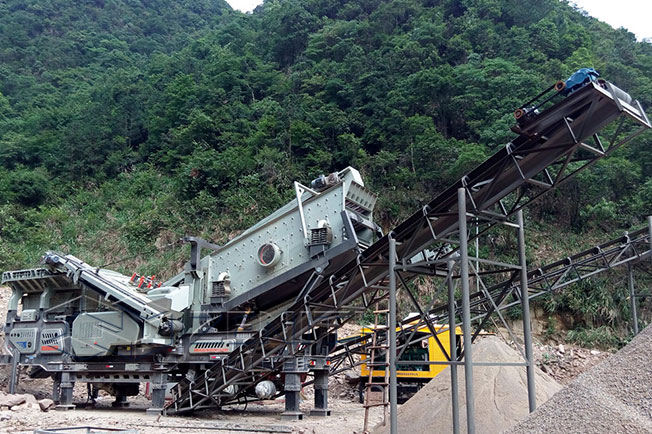
Esta planta trituradora móvil ha sido estable y de alto rendimiento, atrayendo a muchos clientes cercanos desde su operación.
Aprende más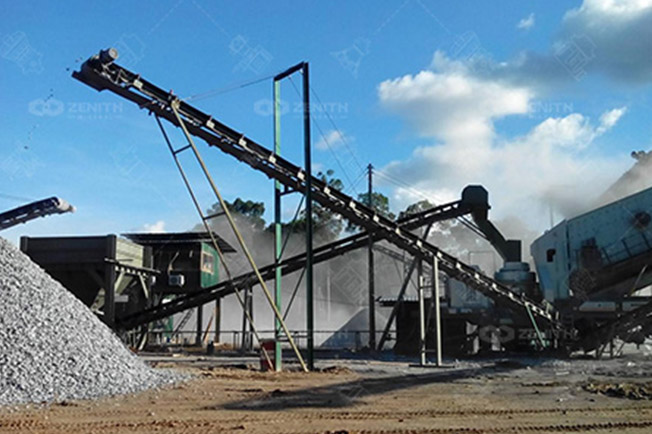
Este cliente fue recomendado por un intermediario y, debido a sus necesidades urgentes de entrega, optó por una planta trituradora portáti
Aprende más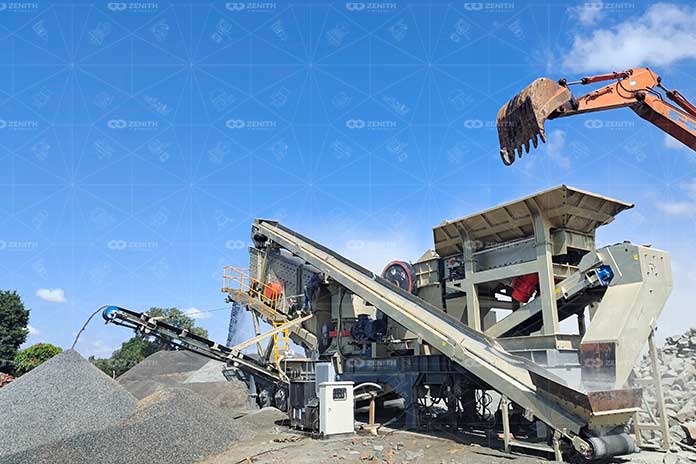
 Más Rápido y Seguro
 Gratuita del Sitio Visita
 Diseño Personalizado
 Instalación y Capacitación
 Ofreciendo Repuestos
 Soporte Tecnológico
Deje su mensaje aquí, le enviaremos un correo electrónico inmediatamente.
Empresa de Zenith de Shanghai© 2000-2026 Derechos Reservados.sitemap

 WhatsApp
 +86-21-58386256
 +86 13611890592
 Español
 Obtenga Solución
 Pide Precio
 WhatsApp